Text, call, or link us on whatsapp: 301-500-0440

Text, call, or link us on whatsapp: 301-500-0440

KendesiMohammed.com delivers trusted coverage of community news, business, politics, entertainment, sports, culture, and events through journalism, photography, video, and digital storytelling.

Positive Vybz Band Brings Live Go Go Energy to Cigars & Sundresses
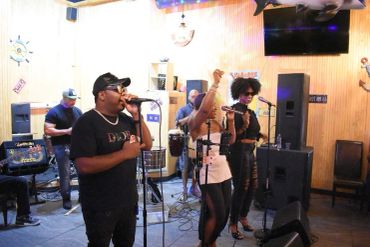
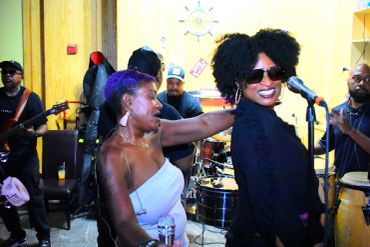
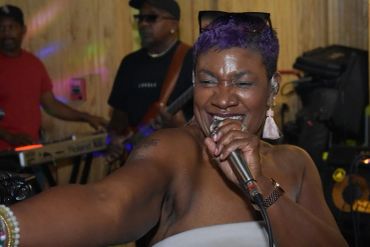
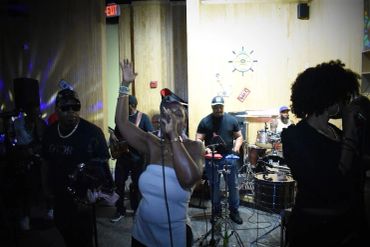
Positive Vybz Band brought the energy to the stage at the first annual Cigars & Sundresses Outdoor Concert, held Saturday, August 8, 2026, at Lamont’s Entertainment Complex in Indian Head, Maryland. The DMV crowd enjoyed an afternoon of live music, fashion, culture and entertainment, with Sunshine Anderson headlining the celebration alongside Positive Vybz Band and other performers.
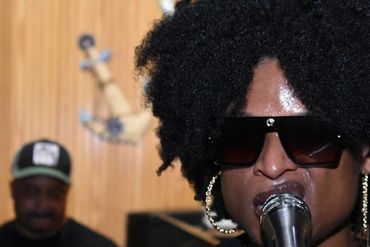
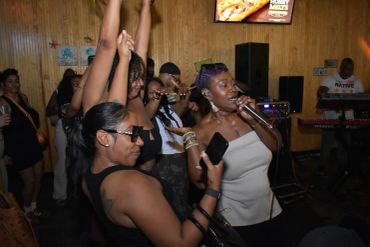
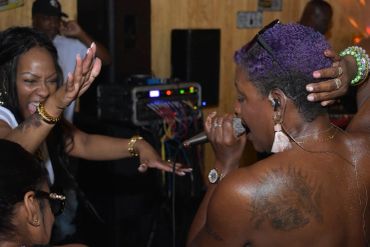
These photographs capture Positive Vybz Band doing what they do best: keeping the crowd moving and representing the energy and culture of Washington, D.C. Go Go.
Photography by Kendesi Mohammed | Kendesi Media
#PositiveVybzBand #CigarsAndSundresses2026 #Sunshi

Indian Head, Maryland | Saturday, August 8, 2026
Written By Kendesi Mohammed
The First Annual Cigars & Sundresses Outdoor Concert brought an exciting day of music, culture, fashion, and entertainment to Lamont’s Entertainment Complex in Indian Head, Maryland, on Saturday, August 8, 2026.
One of the memorable performances of the day came from Sirius Company, the Washington, D.C.-based Go-Go band led by frontman Frank “Scooby” Sirius, known as the “Godson of Go-Go.”
Sirius Company brought the signature energy of DMV Go-Go to the stage, delivering a performance that had the crowd engaged and enjoying the moment. The group is known for blending Go-Go with R&B, funk, soul, hip-hop, and other musical influences, creating a sound that represents the diversity and creativity of the DMV music scene.
The performance was part of a strong lineup that showcased the depth of local and regional entertainment. The event also featured R&B artist Sunshine Anderson, who headlined the concert and added a powerful R&B presence to the afternoon.
The First Annual Cigars & Sundresses Outdoor Concert was more than just a concert. It created a space where music lovers, artists, promoters, entrepreneurs, and members of the community could come together to enjoy live entertainment in a relaxed outdoor setting.
From the performances to the fashion, food, networking, and overall atmosphere, the event reflected the growing influence of DMV entertainment and the importance of creating platforms for artists to connect with new audiences.
For media coverage, the event also provided an opportunity to capture the artists and the audience from different angles and document a new addition to the DMV summer entertainment calendar.
Sirius Company’s performance was a clear reminder that Go-Go continues to have a powerful place in DMV culture. With its infectious rhythm and connection to the community, the music remains one of the region’s most recognizable cultural sounds.
The First Annual Cigars & Sundresses Outdoor Concert may have been the beginning, but the energy at Lamont’s showed that there is plenty of room for this event to grow.
Music. Culture. Fashion. Community. DMV energy.
That was Cigars & Sundresses 2026.


KendesiMohammed.com was created to give people in our communities a voice.
While there are many major radio stations, television networks, newspapers, websites, and global media companies covering national and international stories, it is often difficult for everyday people to have their voices heard. Local businesses, community leaders, artists, entrepreneurs, nonprofit organizations, and residents all have stories that deserve attention, yet many never receive media coverage.
That is why we created KendesiMohammed.com.
Our mission is to shine a spotlight on the people, places, and events that make our communities stronger. We believe every community has inspiring stories, talented individuals, successful businesses, and important issues that deserve to be shared.
Whether it is covering community news, concerts, festivals, sports, politics, entertainment, business, culture, or charitable events, our goal is to inform, inspire, and connect people through quality multimedia journalism.
At KendesiMohammed.com, we believe everyone deserves to be seen, heard, and remembered. We are committed to providing a platform where local voices matter, community achievements are celebrated, and important conversations can take place.
KendesiMohammed.com — A Multimedia Company. Giving a Voice to the Community.

Written By Kendesi Mohammed
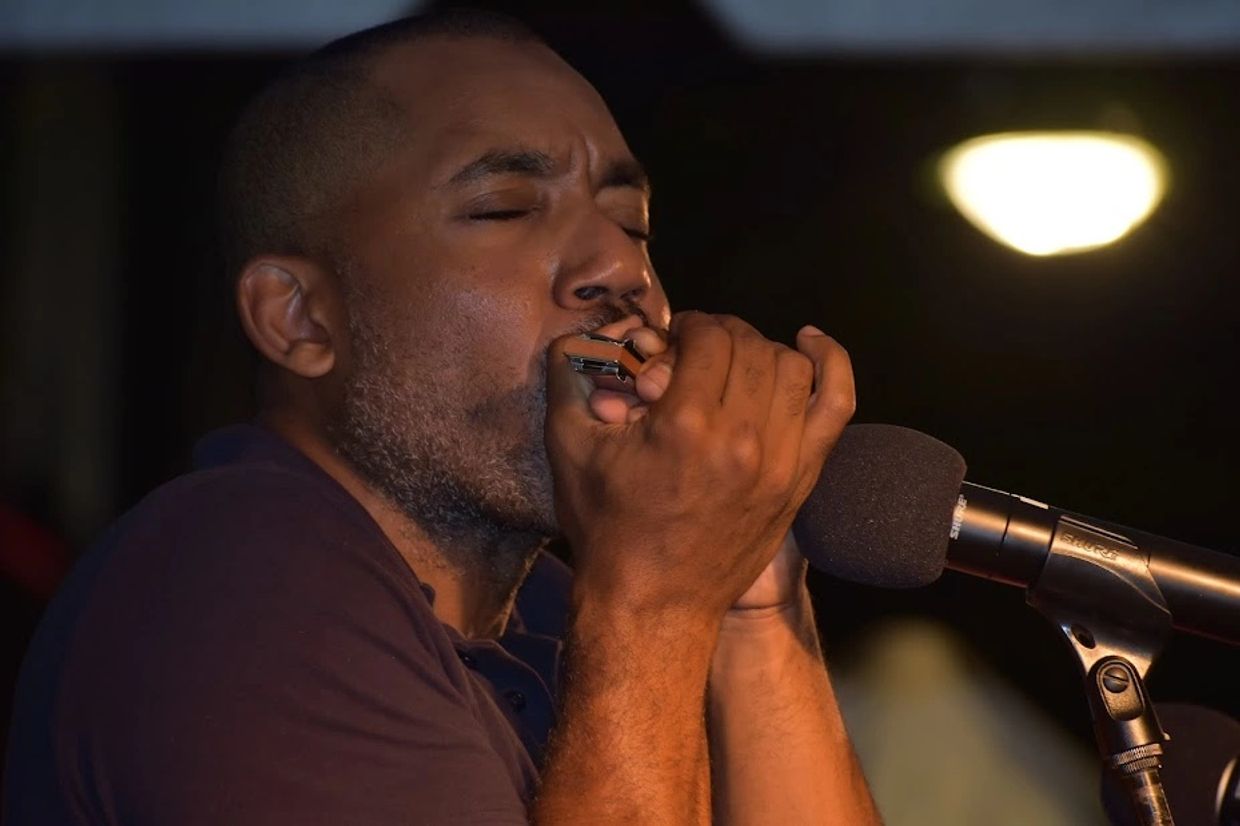
On a warm summer evening in Downtown Silver Spring, the blues came alive in a way that only authentic music can. Thousands of festivalgoers gathered for the 17th Annual Silver Spring Blues Festival, a free community event that transformed the heart of Silver Spring into a celebration of one of America's most influential musical traditions. Among the evening's most anticipated performers was Mud Morganfield, the eldest son of blues legend Muddy Waters.
For blues fans, Morganfield's appearance was more than another concert. It was a living connection to the roots of Chicago blues and to a musical legacy that helped shape modern American music.
Born Larry Williams in Chicago in 1954, Mud Morganfield is the eldest son of Muddy Waters, widely regarded as the father of modern Chicago blues. Although he spent much of his early life outside the music business, Morganfield eventually embraced the family tradition and developed a successful career of his own. His deep voice and phrasing often remind audiences of his father, while his performances carry the experiences and perspective of his own journey.
The Morganfield family has played an important role in preserving the blues. Mud's half-brother, Big Bill Morganfield, became an acclaimed blues singer and guitarist, while their late brother, Mojo Morganfield, dedicated himself to both music and the preservation of his father's history. Together, they helped ensure that the influence of Muddy Waters would continue long after his passing.
When Mud Morganfield took the stage in Silver Spring, the crowd responded immediately. Families, longtime blues enthusiasts, and first-time listeners filled the festival grounds. As the music began, people danced in the streets, sang along to familiar rhythms, and celebrated a genre that continues to connect generations.
What stood out most was not simply the performance itself but the atmosphere it created. The blues has always been music born from struggle, perseverance, joy, and community. Morganfield's presence reminded the audience that these stories remain relevant today.
The Silver Spring Blues Festival has become one of the region's premier blues events, bringing together nationally recognized artists alongside local performers for an entire day of music. This year's lineup featured more than a dozen acts, culminating with Mud Morganfield's performance and an all-star blues jam led by pianist and bandleader Daryl Davis.
For those in attendance, the evening offered something increasingly rare in modern life: a chance to experience history through live music. Watching Mud Morganfield perform was not merely entertainment. It was a reminder that great cultural traditions survive because each generation chooses to carry them forward.
As the final notes echoed through Downtown Silver Spring, one thing was clear: the legacy of Muddy Waters remains alive, and through artists like Mud Morganfield, the blues continues to find new audiences while honoring its past.
• Piedmonsters
• DRT-y Blues
• Archie Edwards Blues Heritage Ensemble
• Tom Walbank
• Lucie & Luna Blues
• School of Rock Doin' the Blues
• Cathy Ponton King featuring Curtis Pope
• Dave Cole & Main Street Blues
• Nella B. & The Noise
• Soul Crackers featuring Tommy Lepson
• Mud Morganfield with the Daryl Davis Chicago Blues Band
• SSBF All-Star Jam led by Daryl Davis
Photography + Written By Kendesi Mohammed
Last night, I had the privilege of being surrounded by some of the region's top photographers and the true kings and queens of the blues. It was an unforgettable experience.
The performances were breathtaking from beginning to end. I walked so much that my feet were hurting by the end of the night, but it was worth every step. Armed with my camera, I captured more than 1,000 photographs from every angle imaginable, documenting the energy, passion, and artistry that filled the streets of Downtown Silver Spring.
I attended the 17th Annual Silver Spring Blues Festival on Saturday, June 20, 2026, a day-long celebration of blues music that brought together talented musicians, devoted fans, photographers, and members of the community.
The lineup featured an incredible collection of performers:
• Piedmonsters
• DRT-y Blues
• Archie Edwards Blues Heritage Ensemble
• Tom Walbank
• Lucie & Luna Blues
• School of Rock Doin' the Blues
• Cathy Ponton King featuring Curtis Pope
• Dave Cole & Main Street Blues
• Nella B. & The Noise
• Soul Crackers featuring Tommy Lepson
• Mud Morganfield with the Daryl Davis Chicago Blues Band
• SSBF All-Star Jam led by Daryl Davis
The festival was expertly hosted by Ida Campbell of WPFW-FM and Willie Leebel of the Archie Edwards Blues Heritage Foundation, whose passion for preserving and promoting the blues was evident throughout the event.
One of the highlights of the evening was watching Nella B. & The Noise deliver a powerful performance that energized the crowd and showcased why they continue to gain recognition throughout the blues community.
Events like the Silver Spring Blues Festival remind us that music is more than entertainment. It is culture, history, storytelling, and community all rolled into one. From the first performance of the morning to the final jam session of the night, the festival celebrated the enduring spirit of the blues and the people who keep it alive.
I left with tired feet, a camera full of memories, and an even greater appreciation for the artists, photographers, organizers, and fans who made the day such a success.
• Piedmonsters
• DRT-y Blues
• Archie Edwards Blues Heritage Ensemble
• Tom Walbank
• Lucie & Luna Blues
• School of Rock Doin' the Blues
• Cathy Ponton King featuring Curtis Pope
• Dave Cole & Main Street Blues
• Nella B. & The Noise
• Soul Crackers featuring Tommy Lepson
• Mud Morganfield with the Daryl Davis Chicago Blues Band
• SSBF All-Star Jam led by Daryl Davis
Meeting a Master Behind the Lens: John Mathew Smith
Written By Kendesi Mohammed
At the 17th Annual Silver Spring Blues Festival, I had the opportunity to meet and speak with photographer John Mathew Smith. What started as a conversation about photography quickly became a lesson in storytelling, patience, and the art of capturing a moment that can last forever.
Smith is an accomplished American historical and celebrity photographer, publicist, and archivist based in Baltimore, Maryland. Over the course of several decades, he has built a remarkable body of work documenting some of the world's most recognizable figures. His photographs are known for their authenticity, often capturing candid and intimate moments that reveal the humanity behind public figures.
During our conversation, we discussed photography, music, and what it takes to capture the perfect shot. As someone who spent the day photographing the festival from every angle, I appreciated hearing insights from a photographer whose work has documented history itself.
Smith's portfolio includes photographs of some of the most influential people of the modern era, including Princess Diana, Coretta Scott King, John Lewis, Colin Powell, Halle Berry, James Earl Jones, Whoopi Goldberg, Patti LaBelle, John Denver, Pelé, and Yogi Berra.
His work is distributed through his archive platform and has appeared in publications, books, and media outlets around the world. Many of his photographs have also been preserved through public archives, ensuring that future generations can continue to learn from and appreciate these moments in history.
As photographers, we often focus on the technical side of the craft: cameras, lenses, lighting, and settings. But conversations like the one I had with John Mathew Smith serve as a reminder that photography is ultimately about people, stories, and preserving moments that matter.
Meeting him at the Silver Spring Blues Festival was one of the highlights of the day. It was an opportunity to learn from someone who has spent a lifetime documenting history through a camera lens and proving that one photograph can tell a story that lasts for generations.
Smith's portfolio includes photographs of some of the most influential people of the modern era, including Princess Diana, Coretta Scott King, John Lewis, Colin Powell, Halle Berry, James Earl Jones, Whoopi Goldberg, Patti LaBelle, John Denver, Pelé, and Yogi Berra.

Photos from Lamont Roach Jr.’s workout at his gym capture his preparation for his upcoming fight against Gervonta “Tank” Davis ahead of their March 1 matchup at the Barclays Center. The images were taken during open media workout sessions at NoXcuse Boxing Club in Marlow Heights and Temple Hills, Maryland, where Roach trained in front of the press. The workout highlighted his heavy bag work, speed and power drills, pad work, and overall conditioning as he dialed in before fight week.
Tim Day recently gave Paul D. Barrow and Kendesi Mohammed an exclusive tour of the WBGR.TV Studios, located at 5900 Princess Garden Parkway, Suite 64, Lanham, Maryland 20706. The visit highlighted the growing role of WBGR.TV as a powerful platform for community-focused media in Prince George’s County.

Written By Kendesi Mohammed
Moab Low is an interesting artist with a different kind of voice. In his song World Goes Around, he touches on deep and uncomfortable topics such as greed, slavery, and the long lasting psychological damage often associated with the Willie Lynch theory. His message suggests that ever since those systems were put in place, Black communities have been struggling with the effects.
What stands out most about Moab Low is the emotion in his delivery. You can hear the pain in his voice through the lyrics he repeats and emphasizes throughout the song. The music feels raw and unfiltered, and so does his voice. It carries a weight that reflects lived experiences rather than manufactured entertainment.
For those who understand Washington DC, the message hits even harder. The city has a long history of struggle and resilience. The streets have seen everything from kingpins and hustlers to prostitution, gentrification, and ongoing tensions around policing and community relations. These realities shape the stories many artists bring to the microphone.
In World Goes Around, Moab Low manages to touch on many of these themes within a single song. That is not easy to do, yet he brings them together in a way that feels authentic. His music sounds like someone trying to make sense of the world while also challenging listeners to think beyond the box many people feel trapped in.
Washington DC has countless talented artists, each with their own story. But Moab Low sounds like someone whose story hits differently. His voice carries pain, but it also carries hope. It feels like a call for people to reflect on history, question the systems around them, and imagine something better.
Sometimes the most powerful music is not the most polished. Sometimes it is simply the most honest. Moab Low’s voice, and the emotion behind it, makes it clear that there is a deeper story waiting to be told.
#MoabLow #WorldGoesAround #WashingtonDC #DCMusic #DMVArtists #HipHopCulture #RealHipHop #ConsciousMusic #MusicWithAMessage #StreetStories #UrbanReality #DCArtists #IndependentArtists #TruthInMusic #KendesiMedia #KendesiTV #SupportIndependentArtists #DMVMusicScene
Written By Kendesi Mohammed
Pharice M. Brown is an author, entrepreneur, and founder of Pain 2 Prosperity Publishing, a boutique firm dedicated to helping Black and Brown women transform their expertise and experiences into purpose-driven books that amplify visibility, income, and influence. A native of Northwest Washington, D.C., Brown draws on her background in A&R, public relations, and event management to guide authors in strategically positioning their work as tools for authority, business growth, and legacy building. An author herself, she penned the thought-provoking eBook You’re a Bad Wife Because You Can’t Clean the House?, reflecting her commitment to honest storytelling and empowering women to turn their stories into lasting impact.
Kendesimohammed.com is a professional content creation and consulting platform dedicated to helping artists, entrepreneurs, and business professionals with all of their writing and branding needs. The company specializes in transforming ideas, visions, and experiences into clear, compelling content that positions clients for growth and opportunity.
For artists, Kendesimohammed.com provides high quality writing services including professional bios, press releases, artist write ups, social media content, articles, sponsorship packages, and event descriptions. These services help creatives communicate their brand, story, and value with confidence.
For entrepreneurs and business professionals, Kendesimohammed.com delivers strategic content such as business plans, business proposals, sponsorship decks, branded messaging, and professional narratives designed to attract clients, investors, partners, and media attention.
Kendesimohammed.com understands that strong writing is essential to credibility and success. Every project is tailored to reflect the client’s voice, goals, and industry, ensuring consistency and professionalism across all platforms.
Whether you are building a brand, launching a business, or advancing your career, Kendesimohammed.com provides writing that elevates your presence and opens doors.
Call or Text 301 500 0440
#kendesi #kendesiblog #kendesimohammed #kendesimedia

Written By Kendesi Mohammed
In a literary landscape increasingly shaped by stories of self discovery and resilience, emerging author Chyna Mone’t delivers a striking debut with The Traveling Letter, a novel that blends emotional depth, personal transformation, and the quiet courage it takes to confront the past.
The story follows Rayne, a disciplined and ambitious graduate student pursuing her master’s degree at South Florida University. Rayne has spent her entire life following the rules, determined to build a future defined by stability, success, and purpose. But beneath her drive lies a single unresolved mistake, a lingering regret that shadows every step she takes.
With the unexpected guidance of her Chemistry professor, Rayne is presented with a rare opportunity, the chance to face that mistake directly, to revisit a moment she once wished she could rewrite. As Rayne steps into this emotional journey, the novel asks a universal question, one that stretches far beyond fictional borders: If given the chance, can we really change our fate
Mone’t uses Rayne’s story to explore themes of accountability, healing, and the power of mentorship. The novel also reflects the pressures young women face as they strive for academic and personal excellence in a world that often demands perfection.
A Rising Literary Voice from Prince George’s County
The release of The Traveling Letter also introduces readers to Chyna Mone’t, a writer and educator whose creative roots trace back to Prince George’s County, Maryland. The founder of Dear Ms. Aphrodite, an empowerment driven platform centered on healing and global storytelling, Mone’t has dedicated much of her life to creating safe spaces for reflection and emotional growth.
Her journey as a writer began at the age of four, evolving over the years into a body of work shaped by her passion for culture, education, and human connection. The Traveling Letter is her newest offering, one that blends her academic background, her commitment to healing narratives, and her deep understanding of the quiet battles many readers will recognize in themselves.
A Novel Rooted in Real World Conversations
At its core, The Traveling Letter invites readers to examine how the past influences our present, and whether confronting old wounds can truly set us free. It is a timely release in an era when young adults face increasing pressures around identity, achievement, and emotional wellness.
Through Rayne’s journey, Mone’t presents a character who is both vulnerable and determined, a reflection of countless students navigating the challenges of higher education while shouldering personal histories that often go unseen.
Availability
The Traveling Letter is now available for pre order for 20. Early readers and educators have praised the book for its relatable themes, compelling narrative, and its ability to spark conversations about healing, accountability, and the transformative power of storytelling.


